Posts

Advantages of Sexual Reproduction

Image
Why Does Sexual Reproduction Matter? Although asexual reproduction may be the easiest way to reproduce, sexual reproduction offers more evolutionary advantages.  The Red Queen Hypothesis, Heterozygosity, and Parasitism The Red Queen Hypothesis explains how sexual reproduction helps species evolve to compete with the constant evolution threats, like parasites. Sexual reproduction expands the allele pool of a species making it harder for them to wiped out by parasites. Asexually reproducing species have the exact same alleles making them lest resistant.   Previous Understanding  I understood that asexual reproduction would be easier, however, I never thought of the vulnerabilities it came with.  
Week 13: deeper dive into sexual selection

Image
 2. Sexual Selection and its Relationship to Natural Selection What is Sexual Selection? Sexual selection is a subset of natural selection. Instead of all environmental factors etc. playing into survival of the "good enough" it is only the reproduction category of selection in this subset. This can include a number of selective factors such as mate competition. Why Males are Typically More Affected: Reproductive Resources.  Females have fewer eggs ( female reproductive material) than males have sperm (male reproductive material) making female reproductive material harder to obtain, creating competition for the females. On top of females having less gametes, they also provide the parental role in most species, again making less females available to reproduce with. Therefore males have to work harder to reproduce, whether that is combat or showcasing different beauties, and much more.  Complements My Previous Understanding: It is well known that males have a natural instinc...

Species, speciation... and definitions

Image
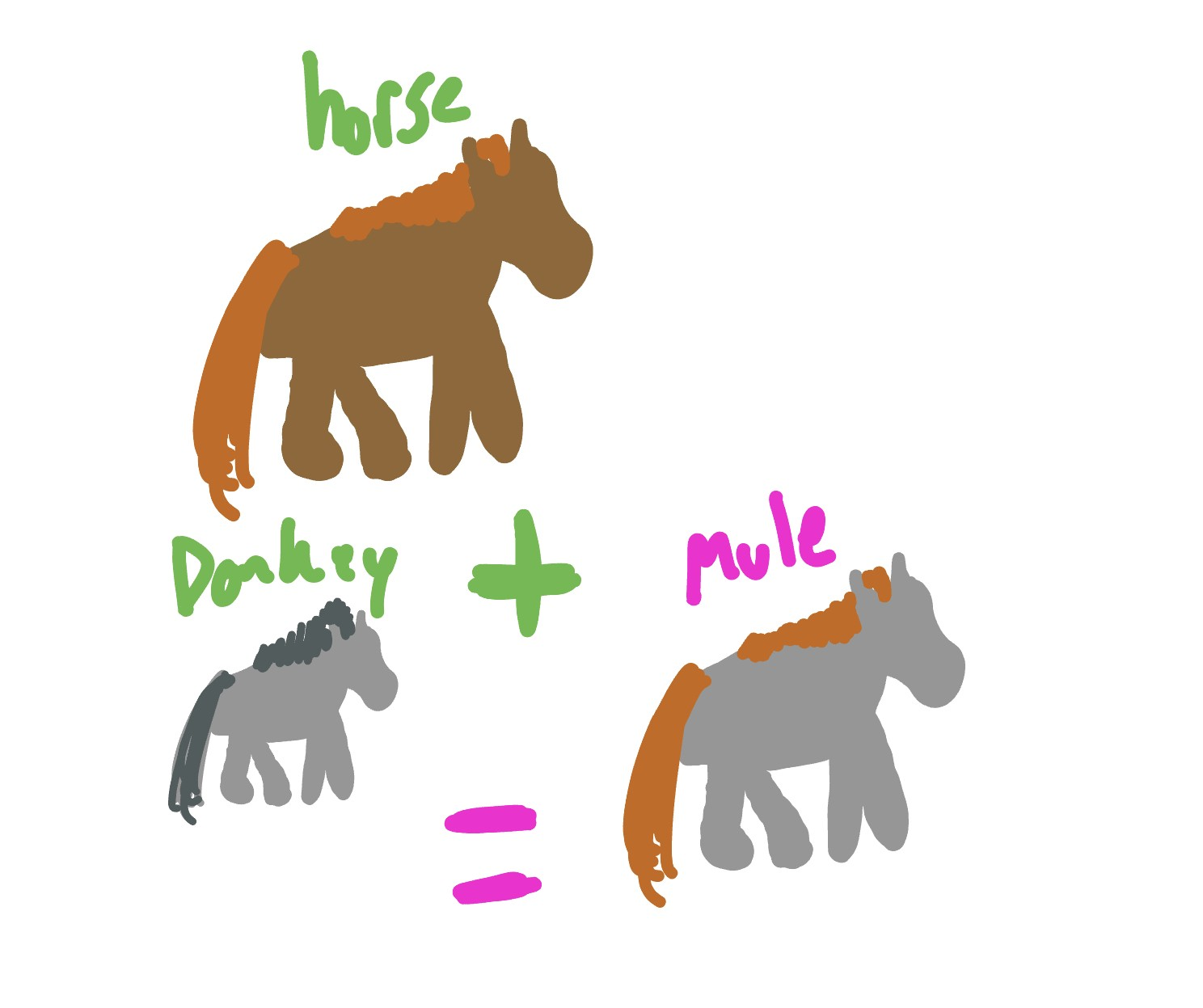
What is a Species?  Defining a species may seem simple but it has actually puzzled scientists for centuries. This blog post will cover some of the complexities of defining a species such as the biological, morphological, ecological, and phylogenetic species concepts. First, biological.  Species if defined biologically by if two different "species' can breed and create fertile offspring. For example horses and donkeys are not the same species because when they mate they make an infertile mule.  Limitation: Cannot account for asexual organisms and ring species, Advantage: Provided a clear line between species and not.    Second, morphological.  Morphological defines a species based on physical characteristics.  Limitations: Species physical characteristics are not always reflective of the same blood line, for example homologous structures in different species.  Advantages: Can help when looking at extinct organisms and fossils.  Third, eco...

Genetic Drift

Image
  Genetic drift is a random process where the frequency of certain traits in a population changes over time just by chance. Not to be confused with natural selection. Natural selection is intentional and not by chance. 

It Gets Complicated

Image
Plasticity   -is an organism's ability to change its phenotype (observable traits) in response to environmental conditions.  Example of a study to determine if the organism has plasticity:

Genotypes and Phenotypes

Image
Genotype Vs Phenotype          Selection acting on phenotype produces evolutionary change. Although genotypes are the genetic makeup passed down, they are not the reason for selection. Phenotypes determine what genotypes are passed down through the environmental selection for specific phenotypes.      For example:  A population of frogs have two different colors, light brown and neon pink (the colors would be the phenotypes). The environment is made of dirt and trees, which means the environment would be more favorable for the light brown frogs to hide from predators, resulting in a selection for that phenotype. This means more light brown frogs would live to reproduce, increasing the genotypic frequency for the light brown frogs due to it's presenting phenotype.

Fitness and Selection

Image
Absolute Fitness vs. Relative Fitness Absolute Fitness  refers to how many offspring an organism has over it's lifetime.  Relative Fitness is the comparison of how many offspring and organism has over it's lifetime compared the most successful organism in the population regarding reproduction. Population Through Positive Selection: Two Evi's have different color patterns, the blue Evi blends into their environment better due to a recent change in sunlight, it is dark 90% of the time now. Due to the the blue camouflaging better Evi's have a better chance of survival, leaving them to reproduce the most off spring, this leaves the most beneficial alleles to be passed down (in this case the coding for a blue color). This process is called positive selection.